
Have you ever wondered how much a singer songwriter who has spent more than five decades crafting some of America’s most beloved music is actually worth? James Taylor is a name synonymous with folk rock authenticity, emotional depth, and timeless songwriting, but behind the gentle acoustic melodies lies a financial story that is just as compelling as his music.
So what is James Taylor net worth in 2026, and how did he build it? Whether you are a lifelong fan, a music industry enthusiast, or a financial researcher, this detailed breakdown covers every dimension of his wealth, from album royalties to real estate, touring income to brand endorsements. Let’s dive in.
What separates James Taylor from the typical narrative of fame and financial collapse is the deliberate, almost methodical way he built lasting wealth over a career that has never truly plateaued. In a landscape where celebrity fortunes rise and fall with alarming speed, whether you’re tracking the controversies surrounding Jim Jones Net Worth or untangling the political and personal finances of emerging public figures, Taylor’s story stands apart as a masterclass in financial sustainability. His is not a fortune built overnight or squandered by midlife. It is a living, compounding legacy, shaped by smart decisions made decade after decade.
Quick Facts: James Taylor at a Glance
| Category | Information |
| Full Name | James Vernon Taylor |
| Date of Birth | March 12, 1948 |
| Age (2026) | 78 Years |
| Birthplace | Boston, Massachusetts, USA |
| Nationality | American |
| Profession | Singer, Songwriter, Guitarist |
| Music Style | Folk-Rock, Soft Rock, Pop |
| Career Start | 1966 |
| Estimated Net Worth (2026) | Approximately $80 Million |
| Annual Earnings (Est.) | $5 Million – $8 Million |
| Grammy Awards | 5 |
| Studio Albums | 20+ |
| Current Record Label | Columbia Records |
| Spouse | Kim Smedvig (Married in 2001) |
| Children | 5 |
| Residence | Martha’s Vineyard, Massachusetts |
| Major Honor | Presidential Medal of Freedom (2016) |
Family Background: Roots That Shaped a Legend
A Family of High Achievers and High Pressure
James Taylor was born into a family that was, by any measure, accomplished, but that accomplishment came with its own weight. His father, Isaac Marion Taylor, was a physician who eventually became Dean of the University of North Carolina School of Medicine. His mother, Gertrude Woodard Taylor, was an aspiring soprano who studied classical voice. Music, therefore, wasn’t something James stumbled upon, it was woven into the very fabric of his upbringing.
The family relocated from Boston to Chapel Hill, North Carolina, when James was still a young child, and it was in the warm Southern environment of Chapel Hill that his earliest musical instincts were nurtured. His mother’s love of classical singing introduced him to the emotional power of the human voice, while his father’s disciplined professional life instilled, if not always comfortably, a sense of purpose and structure. Much like the stories explored in our coverage of celebrities biographies, Taylor’s background reveals how early environment and family culture can shape not just artistic voice but long term professional trajectory.
Siblings Who Shared the Musical Gene
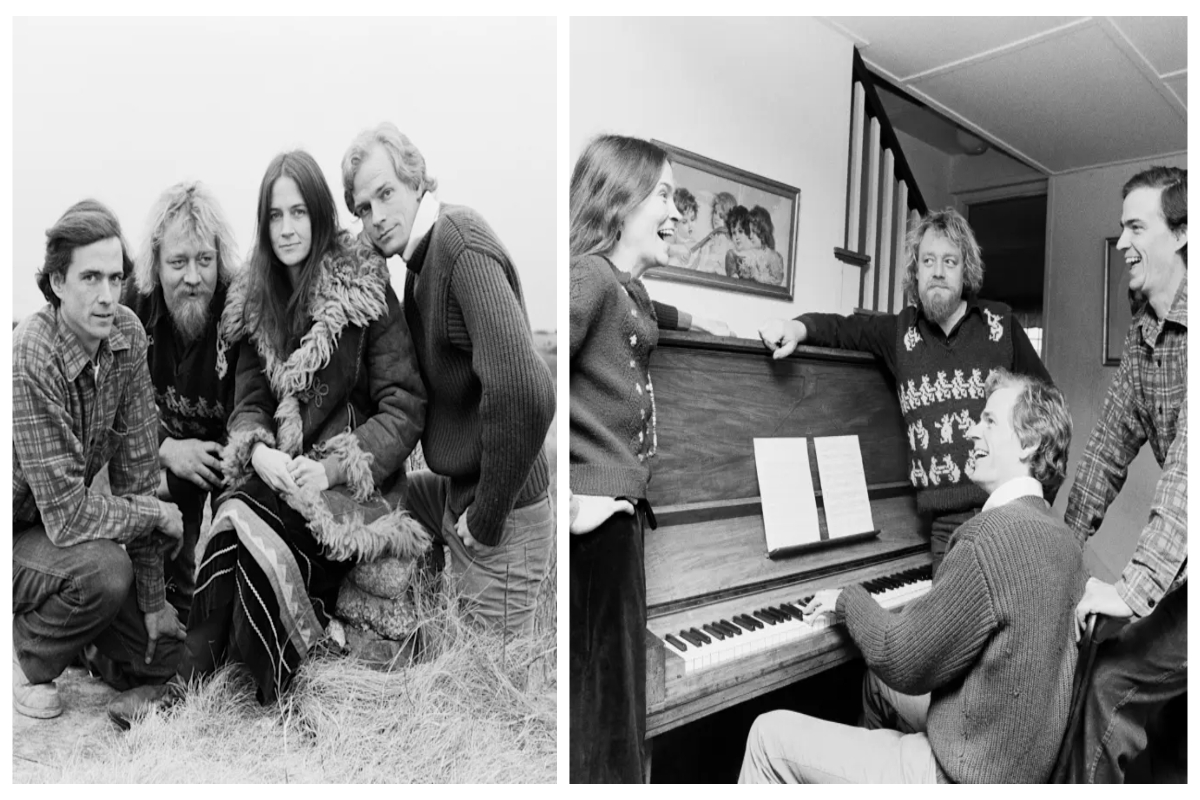
James Taylor was not the only musician in the family. His siblings, Alex Taylor, Kate Taylor, Livingston Taylor, and Hugh Taylor, all pursued careers in music to varying degrees. This makes the Taylor family one of the most remarkably musical households in American pop history, comparable in generational talent density to the Beach Boys’ Wilson family or the Jackson family.
- Livingston Taylor became a successful singer songwriter and educator, releasing multiple albums and teaching songwriting at Berklee College of Music in Boston.
- Kate Taylor recorded several albums and performed throughout the 1970s and 1980s.
- Alex Taylor also recorded and toured, though his career was cut short, he passed away in 1993.
The family collective creative output is a testament to both the environment their parents cultivated and the natural gifts running through their bloodline.
A Childhood Marked by Both Privilege and Pain
Despite the family social standing and intellectual environment, James Taylor childhood was not without its shadows. The pressures of a high-achieving household, combined with what Taylor has described as an underlying emotional sensitivity and a predisposition toward depression, made adolescence particularly difficult. At 17, he voluntarily admitted himself to McLean Hospital, a psychiatric facility in Belmont, Massachusetts, for treatment of depression.
Rather than becoming a source of shame, Taylor has spoken candidly about this chapter of his life in interviews throughout his career. That openness, rare for a public figure of his generation, is part of what has made him so broadly relatable. His music doesn’t speak to people from a place of distance. It speaks from the inside of real human struggle.
Married Life: Love, Loss, and Finding Stability
First Marriage: Carly Simon (1972–1983)

Perhaps no chapter of James Taylo personal life has attracted more public attention than his marriage to Carly Simon, one of the most talked about celebrity unions of the 1970s. The two met within the orbit of the music industry and married on November 3, 1972. Together, they represented something of a folk-pop power couple, two enormously talented singer songwriters navigating fame, creativity, and personal demons simultaneously. They had two children together:
- Ben Taylor (born 1977) who followed his parents into music and has released his own albums
- Sally Taylor (born 1974) also a musician and artist in her own right
The marriage, however, was under enormous strain almost from the beginning. Taylor ongoing battle with heroin addiction placed a tremendous burden on the relationship. Carly Simon has spoken in her memoirs about the emotional toll of loving someone in the grip of addiction, and Taylor himself has acknowledged the damage his substance dependence caused to his personal relationships. They divorced in 1983 after 11 years of marriage. Despite the pain of the separation, both artists have spoken with a degree of mutual respect about their time together and their shared commitment to co parenting their children.
Second Marriage: Kathryn Walker (1985–1996)
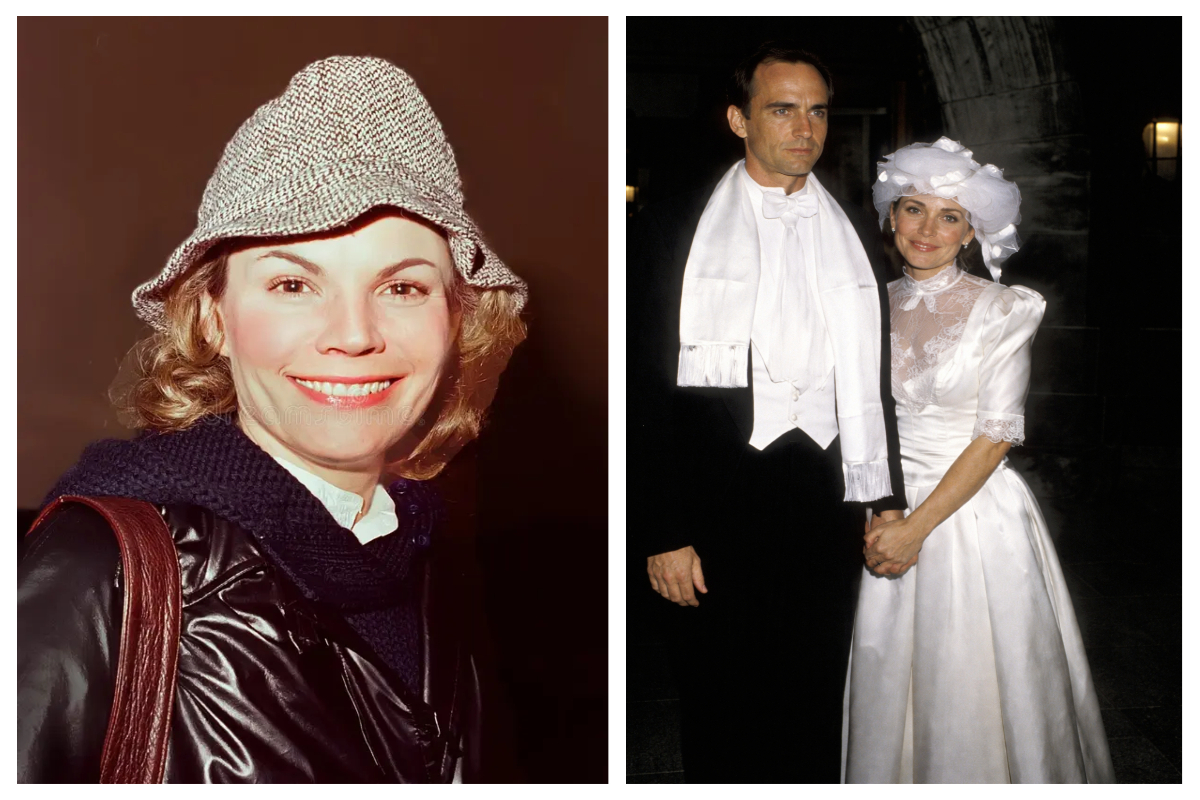
Following his divorce from Carly Simon and his entry into sobriety in the early 1980s, James Taylor married Kathryn Walker, an actress, in 1985. This marriage was quieter and less publicly scrutinized than his first, partly because Taylor himself had stepped back from the most intense glare of celebrity culture.
The couple did not have children together. The marriage lasted approximately 11 years before ending in divorce in 1996. Both parties have maintained discretion about the details throughout. For context on how public figures manage personal privacy during major life transitions, profiles like the Dan Clancy Net Worth breakdown offer an interesting parallel, illustrating how individuals in high visibility roles navigate the intersection of personal life and public perception.
Third Marriage: Kim Smedvig (2001 – Present)

James Taylor’s most enduring and stable relationship has been with Kim Smedvig, whom he married on February 18, 2001. Smedvig is a former public relations director for the Boston Symphony Orchestra, a background that speaks to the more grounded, culturally rich personal life Taylor has built in his later years.
Together they have twin sons:
- Henry Taylor (born 2001)
- Rufus Taylor (born 2001)
The marriage to Kim Smedvig has now lasted more than two decades, making it by far the longest and most stable of Taylor three marriages. Taylor has spoken warmly about how fatherhood in his 50s, combined with sustained sobriety, gave him a sense of peace and groundedness that eluded him for much of his earlier life.
What Is James Taylor Net Worth in 2026?
James Taylor worth 2026 is estimated at approximately $80 million. This places him firmly among the wealthiest classic rock and folk rock artists of his generation. His financial wealth isn’t the product of a single hit or a lucky break, it is the culmination of disciplined artistry, smart business decisions, and a career that has never fully stopped generating income.
Unlike many artists who peak and fade, Taylor revenue streams have remained diversified and active. James Taylor net worth figure reflects ongoing royalty income, live concert earnings, streaming residuals, and strategic asset ownership built over more than 50 years in the music industry.
5 Powerful Insights of James Taylor Net Worth
Insight #1: A Career That Turned Pain Into Profit
From Troubled Youth to Breakthrough Success
James Taylor was born on March 12, 1948, in Boston, Massachusetts, and raised in Chapel Hill, North Carolina. His early life was marked by significant emotional struggle, he was institutionalized for depression at 17 and later became dependent on heroin during his early 20s. These personal battles, far from derailing his career, became the emotional fuel that made his songwriting universally relatable.
His big break came in 1968 when he became the first American artist signed to Apple Records, the Beatles label. That relationship led to his self titled debut album in 1968, which, while not a commercial explosion, planted the seeds of what was to come.
The Album That Changed Everything
In 1970, Sweet Baby James catapulted James Taylor to international fame. The album sold over 1.6 million copies in the United States alone and produced one of the defining folk rock anthems of the era. Its success established him as a legitimate commercial force in popular music, and more importantly, it locked in publishing and royalty rights that would continue paying dividends for decades.
The track “Fire and Rain,” written from personal experience with grief and addiction recovery, became one of the most enduring songs in American music history. Its continued licensing across film, television, and streaming platforms contributes meaningfully to James Taylor worth even today.
Insight #2: The Multiple Revenue Streams Behind His Fortune
Understanding James Taylor net income requires looking beyond album sales. Taylor wealth comes from several distinct channels, each contributing a meaningful slice to his $80 million fortune.
Album Royalties and Music Catalog

Over a career spanning six decades, James Taylor has released more than 20 studio albums. Key commercial milestones include:
- Sweet Baby James (1970) RIAA Certified 3× Platinum
- Mud Slide Slim and the Blue Horizon (1971) Gold Certified
- JT (1977) 2× Platinum, featured “Handy Man,” which won a Grammy
- Greatest Hits (1976) 11× Platinum, one of the best selling compilations in music history
- Before This World (2015) His first No. 1 album in 45 years
Music catalogs in the modern era have become extraordinarily valuable financial assets. With streaming platforms like Spotify, Apple Music, and Amazon Music paying royalties continuously, Taylor catalog generates passive income every single month.
Concert and Live Performance Income

Perhaps the most consistent driver of James Taylor net worth over the past two decades has been live touring. Taylor is known as an exceptional live performer, methodical, warm, and deeply connected to his audience. He regularly sells out amphitheaters and arenas across North America.
According to available Pollstar data, James Taylor tours have consistently grossed between $30 million and $50 million per touring cycle. In 2019, his tour with Jackson Browne was among the top grossing tours in the folk rock category.
When you compare this model to the income patterns of younger artists, such as those explored in the Gunna Net Worth profile, where streaming dominates but live revenue fluctuates sharply, Taylor’s balanced approach across both touring and catalog stands out as genuinely rare and financially superior over the long term.
Streaming and Digital Licensing
The digital era has been kind to legacy artists with deep catalogs. James Taylor’s songs are streamed hundreds of millions of times annually. “Fire and Rain,” “You’ve Got a Friend,” “Carolina in My Mind,” and “How Sweet It Is (To Be Loved by You)” are perennial playlist staples. Each stream contributes to both performance royalties and mechanical royalties. Additionally, a single sync license deal for a major film or TV show can range from $50,000 to several hundred thousand dollars depending on the platform and scope of use, a revenue channel that compounds quietly year after year.
Insight #3: The Grammy Legacy and Its Financial Impact
Awards That Boost Earning Power
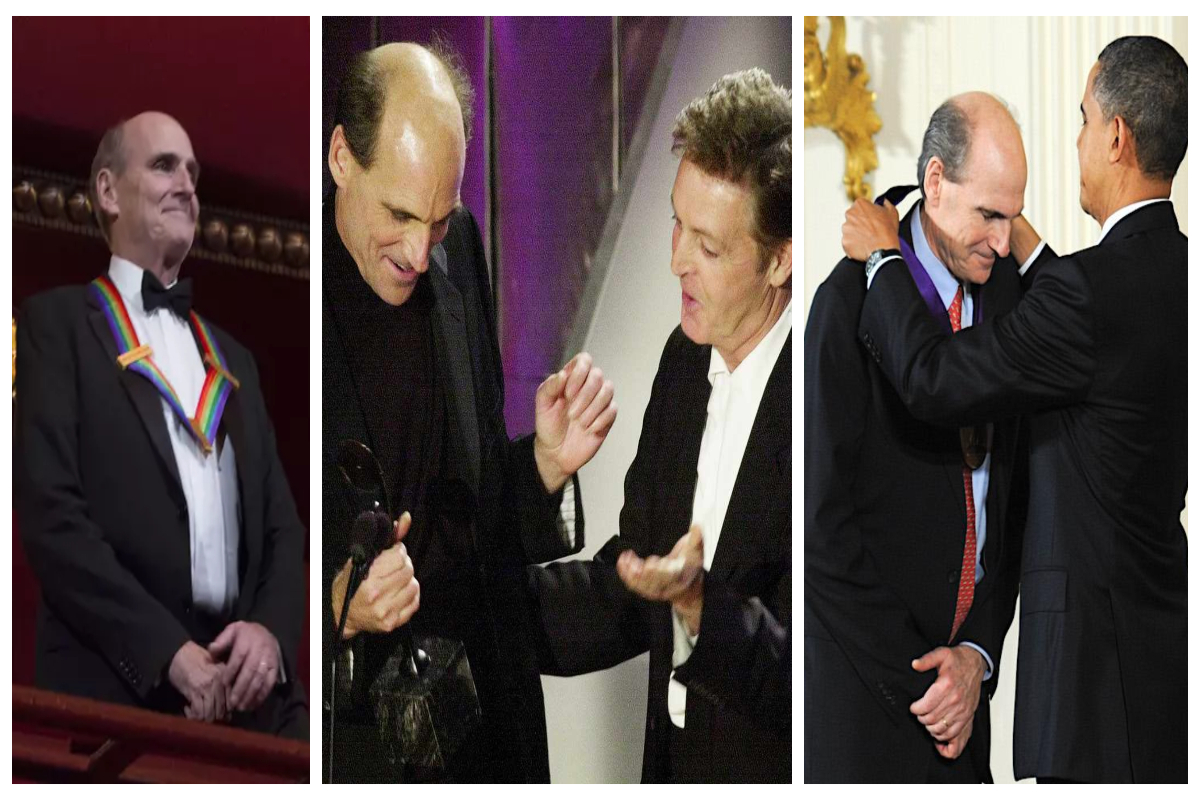
James Taylor has won five Grammy Awards, including:
- Best Pop Vocal Performance, Male for “Handy Man” (1977)
- Grammy Lifetime Achievement Award (2000)
- Best Traditional Pop Vocal Album for Covers (2009)
Grammy recognition is not just a cultural milestone, it has a measurable effect on catalog sales, licensing demand, and booking fees for live performances. Artists who win Lifetime Achievement Awards typically see catalog revivals as new audiences explore their work.
Kennedy Center and National Medal of Arts
In 2016, James Taylor was awarded the Presidential Medal of Freedom by Barack Obama, recognizing his cultural contribution to American life. He is also a recipient of the National Medal of Arts. These honors have kept his name prominent in mainstream cultural conversation, indirectly supporting brand value and marketability.
It’s worth noting that civic recognition of this kind, awarded to artists, journalists, and public intellectuals alike, carries real financial weight. For a comparison in a completely different field, the Jimmy Failla Net Worth profile demonstrates how media credibility and public recognition translate into tangible career value even outside traditional entertainment channels.
Insight #4: Real Estate and Personal Assets
Property Holdings
James Taylor has made smart real estate investments over the decades. He has owned properties in:
- Martha’s Vineyard, Massachusetts A long-standing beloved retreat and permanent base
- Western Massachusetts Rural properties consistent with his lifestyle and brand
- New York City Historically, Taylor maintained a presence in Manhattan during his peak years
Real estate in Martha’s Vineyard has appreciated dramatically over the past 20 years. Properties in that area now routinely sell for millions of dollars, meaning Taylor’s holdings represent a significant portion of his overall asset base.
Personal Lifestyle and Financial Management
Unlike many artists who squandered wealth on extravagance, Taylor has been notably thoughtful with money, particularly after his recovery from addiction in the early 1980s. His long-term marriage to Kim Smedvig since 2001 reflects a more grounded personal life that has supported financial stability and long-range asset planning.
Insight #5: Comparison With Peers, How Does He Stack Up?
To put James Taylor net worth in full context, it is useful to compare him to his contemporaries, artists who came of age in the same folk rock era.
James Taylor vs. Contemporaries
| Artist | Estimated Net Worth (2026) | Key Income Sources |
| James Taylor | $80 Million | Touring, music royalties, catalog earnings |
| Carole King | $80 Million | Publishing rights, songwriting royalties |
| Paul Simon | $90 Million | Catalog ownership, global touring |
| Cat Stevens (Yusuf Islam) | $25 Million | Royalties, selective live performances |
| Jackson Browne | $30 Million | Touring revenue, catalog income |
| Carly Simon | $65 Million | Royalties, investments |
| Don McLean | $50 Million | Royalties from “American Pie” and catalog |
| John Denver (Estate) | Not Publicly Available | Estate-managed music catalog |
James Taylor holds his own impressively in this peer group. His $80 million figure puts him on par with Carole King and ahead of several equally celebrated artists. The key differentiator is his sustained touring activity and catalog longevity. Just as examining the Zohran Mamdani Net Worth profile reveals how public figures across different disciplines build and manage financial profiles in very different ways, Taylor’s numbers become even more meaningful when measured against the structural choices, rights retention, brand consistency, audience loyalty, that made them possible.
James Taylor Career Timeline and Key Financial Milestones
| Year | Career Milestone | Financial Impact |
| 1968 | Signed with Apple Records, debut album released | Established foundation with initial modest earnings |
| 1970 | Sweet Baby James achieves mainstream success | Publishing rights secured, steady royalties begin |
| 1971–1976 | Continuous album releases and rising popularity | Grammy recognition, growth in concert revenue |
| 1977 | JT goes Platinum, “Handy Man” wins Grammy | Increased brand value; endorsement opportunities rise |
| 1985 | Achieves sobriety; career regains stability | Improved financial management and long-term planning |
| 2000 | Receives Grammy Lifetime Achievement Award | Surge in catalog value, renewed audience interest |
| 2015 | Before This World reaches No. 1 on charts | Significant boost in streaming and sales revenue |
| 2019–2023 | Major global touring cycles | Estimated $30M–$50M gross per tour cycle |
| 2026 | Net worth estimated at $80 million | Strong passive income from music catalog continues |
What Makes James Taylor Financial Legacy Different?
Many artists accumulate wealth and lose it. James Taylor story is different for several reasons that are worth examining as real world case studies in music industry financial longevity.
1. Ownership of Publishing Rights
Early in his career, Taylor secured meaningful publishing rights to his original compositions. In an era when many artists were pressured to sign away these rights to labels or publishers, Taylor, guided by sound legal counsel, retained a significant share. This single decision has compounded in value over 50+ years.
2. Sustained Relevance Without Reinvention Gimmicks
Taylor never chased trends. He didn’t pivot to EDM collaborations or rebrand himself every five years. His refusal to compromise his artistic identity meant his fanbase never fractured. In financial terms, this translates to a reliable demand curve, steady ticket sales, predictable streaming numbers, and consistent licensing inquiries.
3. Long Term Brand Partnerships
Over the years, Taylor has partnered selectively with brands that align with his image, nature, craftsmanship, simplicity, and authenticity. These deals, while not extensively publicized, have added supplementary income without diluting his artistic credibility.
4. A Catalog That Grows in Value
The global music catalog acquisition boom of the 2020s, driven by companies like Hipgnosis Songs Fund, Primary Wave, and Concord Bicycle Music, has seen classic catalogs sell for 20× to 30× annual royalty revenue. Taylor catalog, if ever sold or partially licensed, would likely command a figure in the $20M–$40M range based on current market multiples. This is a dormant asset that significantly inflates his total financial picture.
How James Taylor Earns Money Today
Even at 78 years old, james taylor net income continues to flow from multiple active and passive sources:
- Concert ticket sales from domestic and international touring
- Streaming royalties from Spotify, Apple Music, Amazon Music, YouTube Music
- Sync licensing, ongoing deals for film, TV, and commercial placements
- Merchandise sales at live events
- Physical album and vinyl sales, experiencing a resurgence in the collector market
- Master and publishing royalties, paid out quarterly from label and publisher agreements
- Real estate appreciation, passive growth in property values
Conclusion:
James Taylor journey from a troubled teenager in North Carolina to a folk rock icon worth $80 million is not a story about luck or overnight fame. It is a story about craft, resilience, and the financial power of owning your art. James Taylor net worth in 2026 stands as proof that authentic artistry, when combined with business intelligence and personal discipline, creates wealth that outlasts trends, market shifts, and even generational change. His income model is one of the most sustainable in music history, a back catalog that keeps generating, a live act that still sells out, and a name that carries instant credibility with both fans and industry partners. For anyone studying the intersection of creativity and financial longevity, James Taylor is one of the most instructive case studies you will find in the entire history of American popular music.
Frequently Asked Questions (FAQs)
Q1: What is James Taylor net worth in 2026?
James Taylor net worth in 2026 is estimated at approximately $80 million. This reflects over five decades of music royalties, live concert income, licensing revenues, real estate holdings, and catalog appreciation. His financial longevity is a direct result of sustained artistic output and smart rights management.
Q2: How does James Taylor make money today?
James Taylor earns money through live concert touring, streaming royalties, sync licensing deals for film and TV, physical music sales including the vinyl revival, merchandise, and passive income from real estate. At 78, he continues to perform, keeping his income streams active.
Q3: Has James Taylor ever sold his music catalog?
As of 2026, there is no confirmed public sale of the James Taylor music catalog. Given the current market environment where classic rock catalogs sell for significant multiples of annual royalty revenue, his catalog is considered a high value asset. Should he sell, analysts estimate it could generate between $20M and $40M.
Q4: How much does James Taylor earn per tour?
Based on available Pollstar data and industry estimates, James Taylor major touring cycles have consistently grossed between $30 million and $50 million. His dedicated fanbase across multiple generations ensures reliable ticket demand across arenas and amphitheaters.
Q5: Is James Taylor richer than Carole King?
James Taylor and Carole King are estimated to have similar net worths, both in the $80 million range as of 2026. Both artists benefited enormously from the singer songwriter era of the 1970s and secured important publishing rights early in their careers.
Q6: What is James Taylor most financially valuable song?
“Fire and Rain” and “You’ve Got a Friend” are likely Taylor most financially valuable individual songs due to their licensing longevity, cultural recognition, and streaming volume. “You’ve Got a Friend”, which won the Grammy for Song of the Year in 1971, has emerged in hundreds of films, TV shows, and commercials over the decades.