
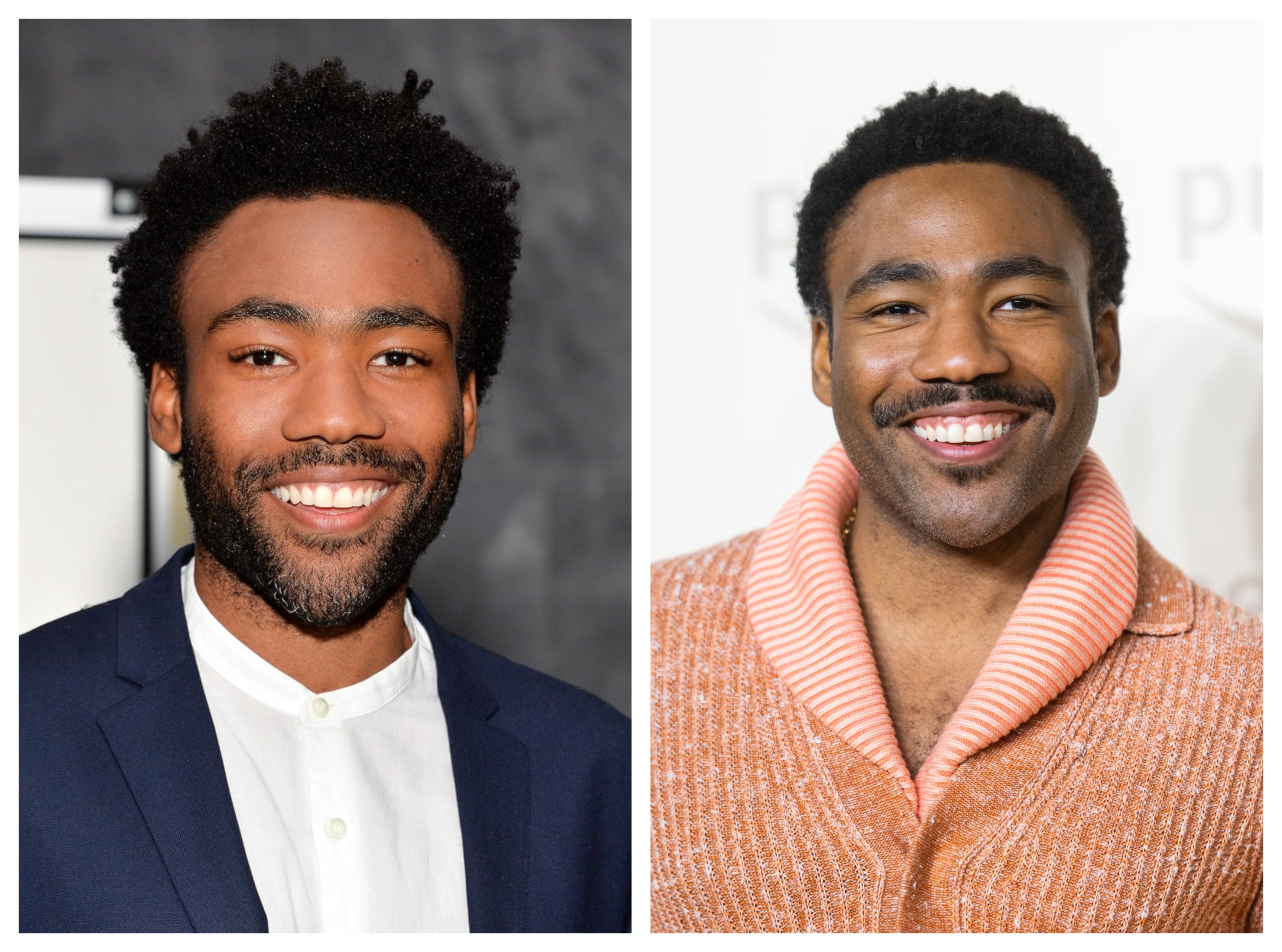
When you encounter a story written by Donald Glover, whether in Atlanta, Community, or his music under Childish Gambino, it leaves a lingering impression. There a rare quality in his storytelling that blends emotional depth, cultural insight, and psychological realism. Unlike conventional narratives, his work is not designed to entertain simply, it is an experience, a mirror reflecting identity, society, and human behavior.
His storytelling is layered and unconventional, refusing to adhere strictly to genre norms or neat resolutions. Humour collides with social critique, minimalism meets maximal emotional impact, and surrealism coexists with everyday realism. Each episode, line, and visual choice is deliberate, challenging audiences to interpret, reflect, and engage more deeply. Understanding the brilliance behind Donald Glover writing style requires examining the intersections of his personal experiences, professional evolution, and creative philosophy, which together define his unique narrative voice.
Quick Facts About Donald Glover
| Detail | Information |
| Full Name | Donald McKinley Glover Jr. |
| Born | September 25, 1983 |
| Raised In | Stone Mountain, Georgia |
| Education | NYU Tisch School of the Arts (Dramatic Writing) |
| Early Work | 30 Rock, Community |
| Major Work | Atlanta |
| Musical Alias | Childish Gambino |
| Awards | Emmy Awards, Golden Globes, Grammy Awards |
| Partner | Michelle White |
| Children | Three sons |
Early Life and the Foundations of Perspective
Donald Glover was born at Edwards Air Force Base in California but spent his formative years in Stone Mountain, Georgia. His upbringing blended stability with creativity, his father worked as a postal employee, and his mother ran a home daycare. This duality of discipline and creative freedom would later manifest in his storytelling, where structure and experimentation coexist.
Growing up in a predominantly white school while living in a Black community provided Glover with a layered sense of identity and awareness of social tension. This dual perspective, of insider and outsider, permeates his work, providing an authentic lens through which he examines race, masculinity, and social dynamics.
Glover attended NYU Tisch School of the Arts, majoring in dramatic writing. This formal education allowed him to refine his craft, learning narrative architecture, pacing, and character development. The result is a storytelling approach that balances experimental creativity with deliberate structure, a hallmark of his distinctive style.
Family, Marriage, and Private Life

Despite immense fame, Donald Glover keeps his personal life private. He shares three children with his partner, Michelle White. This boundary between public persona and private life is reflected in his work, where personal themes like fatherhood, emotional repression, and vulnerability are explored subtly rather than overtly.
His narratives often explore the pressures of masculinity, relational tension, and the anxieties of parenthood. The authenticity of these depictions stems from lived experience, lending credibility to his work without crossing into sensationalism. Observing his approach, one can learn that storytelling rooted in genuine emotional truth often resonates more deeply than content that overshares personal life for shock or attention.
Career Evolution: From Comedy Writer to Cultural Architect
30 Rock: The Foundation of Craft
At just 23, Glover joined the writing team of 30 Rock. The fast paced, high pressure environment taught him essential professional skills, structured dialogue, timing for comedic effect, and collaborative storytelling. These lessons instilled discipline that later enabled him to experiment confidently with unconventional narrative structures.
Community: Character and Comedic Depth
His role as Troy Barnes in Community allowed Glover to refine character driven humour. Playing a socially awkward, intelligent young man, he explored the subtleties of human behaviour, friendship dynamics, and identity through comedy. Simultaneously, his contributions to the script deepened his understanding of narrative rhythm, joke placement, and character consistency.
Atlanta: Auteur Storytelling
With Atlanta, Glover took complete creative control as creator, writer, director, and actor. The series breaks traditional television moulds: episodes function like independent short films, tone shifts abruptly, and social commentary is woven seamlessly into character interactions. Episodes such as “B.A.N.” and “Teddy Perkins” illustrate his mastery of narrative experimentation, blending satire, horror, and realism to provoke thought and emotional response.
The evolution from network comedy to auteur driven television demonstrates a deliberate expansion of craft. Glover willingness to challenge conventions reflects a storytelling philosophy that values authenticity and intellectual engagement over formulaic entertainment.
7 Brilliant Secrets Behind Donald Glover Writing
1. Emotional Ambiguity and Psychological Depth
Glover characters rarely have clear cut emotional arcs. They exist in moral grey zones, with unresolved internal conflicts that mirror real human experiences. Instead of delivering straightforward closure, he encourages viewers to engage actively, reflect, and empathise. Episodes such as “B.A.N.” immerse the audience in discomfort and moral complexity, requiring attention to subtext and nuance. This deliberate ambiguity deepens psychological engagement and enhances the memorability of his narratives.
2. Cultural Commentary Through Natural Scenes
Donald Glover work embeds social commentary into everyday situations. In Atlanta, a casual conversation at a restaurant might reveal tensions around race, capitalism, or masculinity without ever explicitly stating a moral. This approach allows the audience to internalise and interpret meaning organically, fostering intellectual respect and engagement. Similarly, his music video for This Is America juxtaposes dance, violence, and symbolism to critique systemic issues while engaging viewers emotionally. The seamless integration of social critique and narrative entertainment is a defining feature of his storytelling.
3. Minimalist Dialogue, Maximum Impact
Minimal dialogue and precise language allow Glover to convey complex emotions without exposition. Characters often communicate tension, fear, or longing through silence, facial expression, or subtle gestures. This technique mirrors real life communication and invites viewers to interpret meaning. Minimalism also heightens tension, creating space for reflection and increasing cognitive retention, a method that reinforces the impact of his storytelling across media.
4. Genre Fluidity and Tonal Complexity
Glover refuses to confine his work to a single genre. In Atlanta, humour can abruptly give way to existential dread, while surreal elements punctuate otherwise realistic narratives. This fluidity reflects the multidimensional nature of human experience, where emotions often overlap and conflict. By blending comedy, drama, horror, and satire, Glover keeps audiences attentive, emotionally invested, and intellectually engaged. This unpredictability is central to the distinctive rhythm of his work.
5. Flawed, Relatable Protagonists
His characters make mistakes, wrestle with insecurity, and confront internal contradictions. This focus on imperfection strengthens authenticity, allowing audiences to see fragments of themselves in his narratives. The psychological realism achieved through flawed protagonists builds trust and encourages emotional resonance, an essential element of effective storytelling.
6. Structural Experimentation and Creative Confidence
Episodes of Atlanta vary in focus, pacing, and narrative form. Some follow traditional character arcs, others are standalone explorations of themes, locations, or concepts. This experimentation demonstrates confidence in his craft and respect for the audience intelligence. By challenging conventional structures, Glover creates a storytelling environment where emotional and intellectual engagement are prioritised over predictable plots, a principle applicable across narrative media.
7. Long Term Narrative Patience
Glover allows characters and themes to evolve gradually, mirroring authentic psychological growth. Rather than forcing climactic moments, he cultivates slow building tension and development, which enhances the emotional payoff. This patience encourages investment, heightens anticipation, and reinforces the lasting impact of his stories, ensuring they remain memorable long after viewing.
Lyrical Storytelling as Childish Gambino
Donald Glover’s musical alter ego, Childish Gambino, showcases that his storytelling transcends mediums, blending music, visuals, and social commentary. Songs like This Is America use layered symbolism, rhythm, and emotion to explore cultural critique, humor, and tragedy simultaneously. Similarly, artists like Jelly Roll employ music to tell deeply personal stories while addressing social issues, highlighting how layered narrative principles in songwriting mirror those in television and screenwriting. This approach demonstrates Glover’s cohesive creative philosophy, where every medium reinforces his signature storytelling voice.
Awards and Cultural Recognition

Glover craft has been widely recognised:
- Emmy Awards for Atlanta, including Outstanding Lead Actor and Directing
- Golden Globes for Television Series and Best Actor
- Grammy Awards, including This Is America
These honors validate not only his popularity but his credibility as a storyteller and cultural influencer, reinforcing the authority of his narrative approach in entertainment and media studies.
Conventional vs Donald Glover Writing
| Conventional Writing | Donald Glover Writing |
| Clear moral resolution | Open ended interpretation |
| Linear narrative | Nonlinear arcs |
| Dialogue heavy | Subtext driven scenes |
| Genre consistency | Genre blending |
| Perfect protagonists | Flawed, psychologically rich characters |
| Fast resolution | Gradual emotional payoff |
Lessons for Writers Across Media
Donald Glover’s approach offers actionable lessons that extend far beyond screenwriting. Writers, musicians, content creators, and even social media stars can learn from his techniques to create narratives that resonate deeply with audiences.
- Trust audiences to interpret meaning.
- Embrace flawed characters and authentic human experience.
- Blend genres to mirror the complexity of life.
- Use minimalism and silence strategically to heighten emotional resonance.
- Build long term narrative investment rather than chasing instant resolution.
These principles enhance both engagement and the depth of storytelling across platforms.
Conclusion
The genius of Donald Glover writing style lies in its subtlety, psychological insight, and structural courage. By integrating emotional ambiguity, flawed characters, cultural commentary, and long term narrative patience, he crafts stories that are immersive, intellectually stimulating, and emotionally resonant. His work demonstrates that authentic storytelling, grounded in personal experience and cultural awareness, can transcend medium, genre, and format. For anyone seeking to understand narrative depth in 2025, Glover approach provides an essential blueprint for creative excellence.
Frequently Asked Questions
1. What defines Donald Glover writing style?
It combines emotional ambiguity, minimalist dialogue, cultural commentary, structural experimentation, and psychologically complex characters to create immersive narratives.
2. How did his early life influence his work?
Growing up navigating dual cultural environments shaped his exploration of identity, social tension, and human behaviour, themes that recur throughout his projects.
3. How does Atlanta differ from traditional television?
It blends surrealism, humour, and social commentary with nonlinear narrative arcs, creating cinematic storytelling within a television format.
4. How does Childish Gambino reflect his writing approach?
Through music and visuals, he conveys layered social critique, narrative symbolism, and emotional subtlety consistent with his screenwriting style.
5. Why are his characters relatable?
They are imperfect, vulnerable, and psychologically nuanced, reflecting real human behaviour and fostering audience empathy.
6. What lessons can writers apply from his approach?
Embrace ambiguity, allow incremental character growth, blend genres thoughtfully, prioritize subtext, and respect the audience intelligence.